
Homeowner decisions
Why a Denver home needs whole-home surge protection
By Judson Cushing, Master Electrician (ME.0601023) · August 11, 2026 · 3 min read
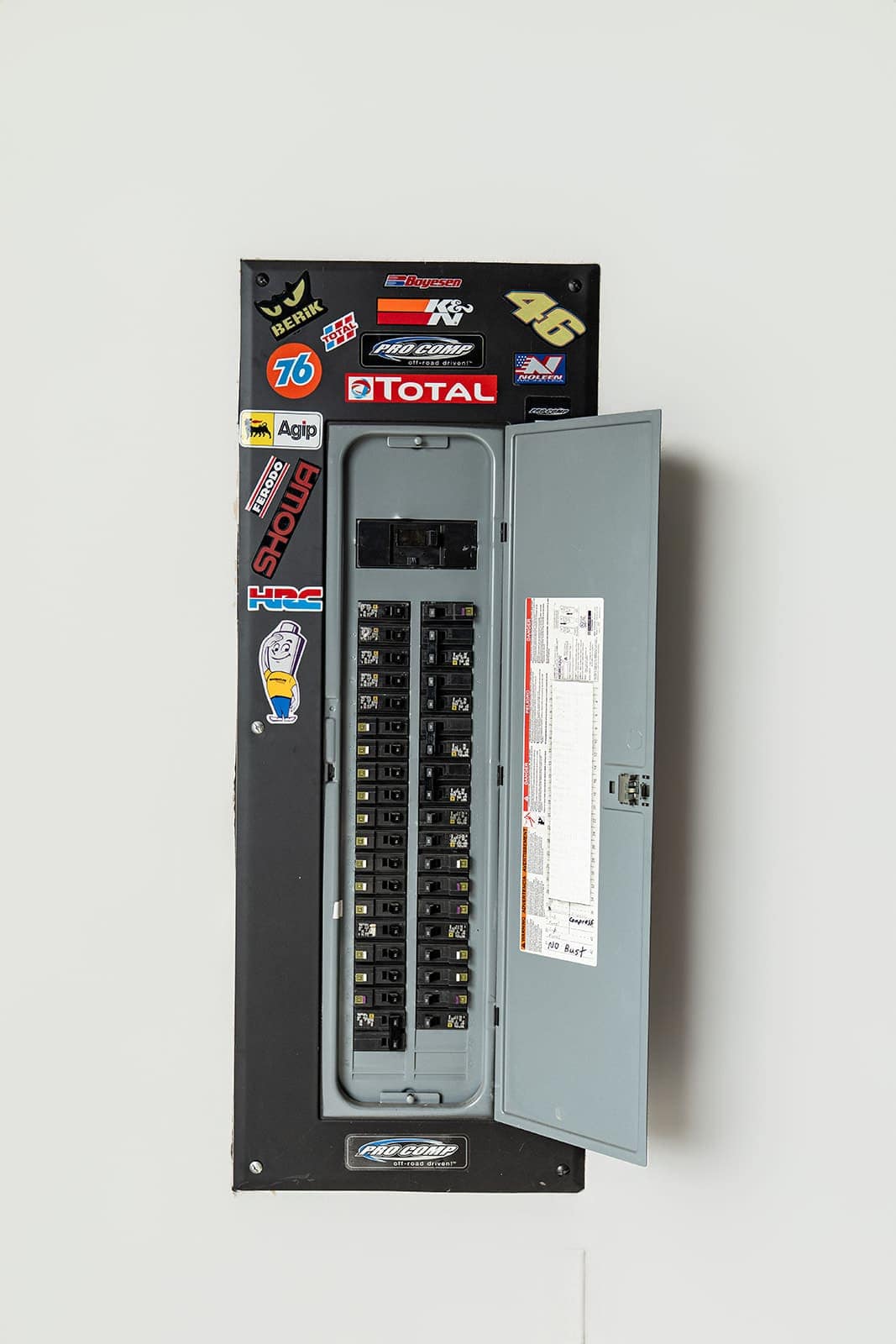
Modern homes are full of things with circuit boards in them: the furnace, the range, the garage door opener, the mini-split, every TV and computer. All of those are vulnerable to a power surge, and the Front Range gets more surges than people realize. Summer thunderstorms drive nearby lightning strikes, and the grid itself creates spikes every time equipment switches on the utility side. A whole-home surge protective device wired at your panel clamps those spikes before they reach anything downstream.
What a surge actually is
A surge is a brief spike in voltage, sometimes a few hundred volts over normal, sometimes thousands. It lasts a fraction of a second, which is long enough to punch through the small internal protection in a circuit board. The damage is often not dramatic. A garage door opener that "just stopped working," an oven control panel that goes dark, a mini-split that throws an error code: those are frequently surge damage rather than age.
What the device does
A panel-mounted surge protector mounts to a double-pole breaker and sits across the incoming power. When it sees voltage climb above a safe threshold, it diverts the excess to ground in nanoseconds, then resets. A good one carries a UL 1449 listing and a status light so you can see it is still working. It protects every circuit in the house at once, which is the difference between it and a power strip.
What it does not do
It will not stop a direct lightning strike to the house. Nothing at the panel will. What it handles is the far more common case: a strike a few streets over, or a grid transient, that rides in on the service conductors. For expensive electronics, the right setup is two layers. The panel device takes the big hits, and a quality point-of-use protector at the media center or home office handles the smaller stuff the house generates internally.
What it costs and how long it takes
Installed, a whole-home surge protector is a short job, usually about an hour, and it lands in a low hundreds price range depending on the device rating and whether the panel has an open slot. The best time to add one is when an electrician is already in the panel for other work, but it is worth doing on its own.
Before we install one, we check two things: that the panel has room for a double-pole breaker, and that the home's grounding is sound, because the device relies on a low-impedance path to ground to do its job. If the grounding needs attention we tell you before we quote the device.
Is it worth it?
Add up what is plugged in around your house and the answer is usually yes. One failed appliance control board often costs more than the surge protector, and the protector guards everything for years. If you have already replaced a board or two, or you run a home office, it is an easy call.
Want one added? Get a free estimate or call (303) 648-1934.
About the author
Judson Cushing is a licensed master electrician (ME.0601023) and the owner of Allsafe Electric, serving Parker and the south Denver metro since 2018. More about Jud.